I’ve been thinking about why I am so drawn to poetry and art, and I think my best answer is that they draw me to the borders of God. God is so un-understandable by us in our lowly humanity. John of the Cross points out that the intellect “reaches God more by not understanding than by understanding.” God has placed an insatiable desire in each of us for union with Him: “Our hearts are restless until they rest in Thee.” Yet, we are limited in this life as to the satisfaction of that union. And so for myself, I find myself coming back again and again to true poetry, art, and music–true in the sense that it is directed towards God and not towards itself. It lifts my heart, it draws my spirit, towards the ineffable God who, as the author of The Cloud of Unknowing says so well: ”
Now you say, “How shall I proceed to think of God as he is in himself?” To this I can only reply, “I do not know.”
With this question you bring me into the very darkness and cloud of unknowing that I want you to enter. A man may know completely and ponder thoroughly every created thing and its works, yes, and God’s works, too, but not God himself. Thought cannot comprehend God. And so, I prefer to abandon all I know, choosing rather to love him whom I cannot know. Though we cannot know him we can love him. By love he may be touched and embraced, never by thought. Of course, we do well at times to ponder God’s majesty or kindness for the insight these meditations may bring. But in the real contemplative work you must set all this aside and cover it with a cloud of forgetting. Then let your loving desire, gracious and devout, step bravely and joyfully beyond it and reach out to pierce the darkness above. Yes, beat upon that thick cloud of unknowing with the dart of your loving desire and do not cease come what may.
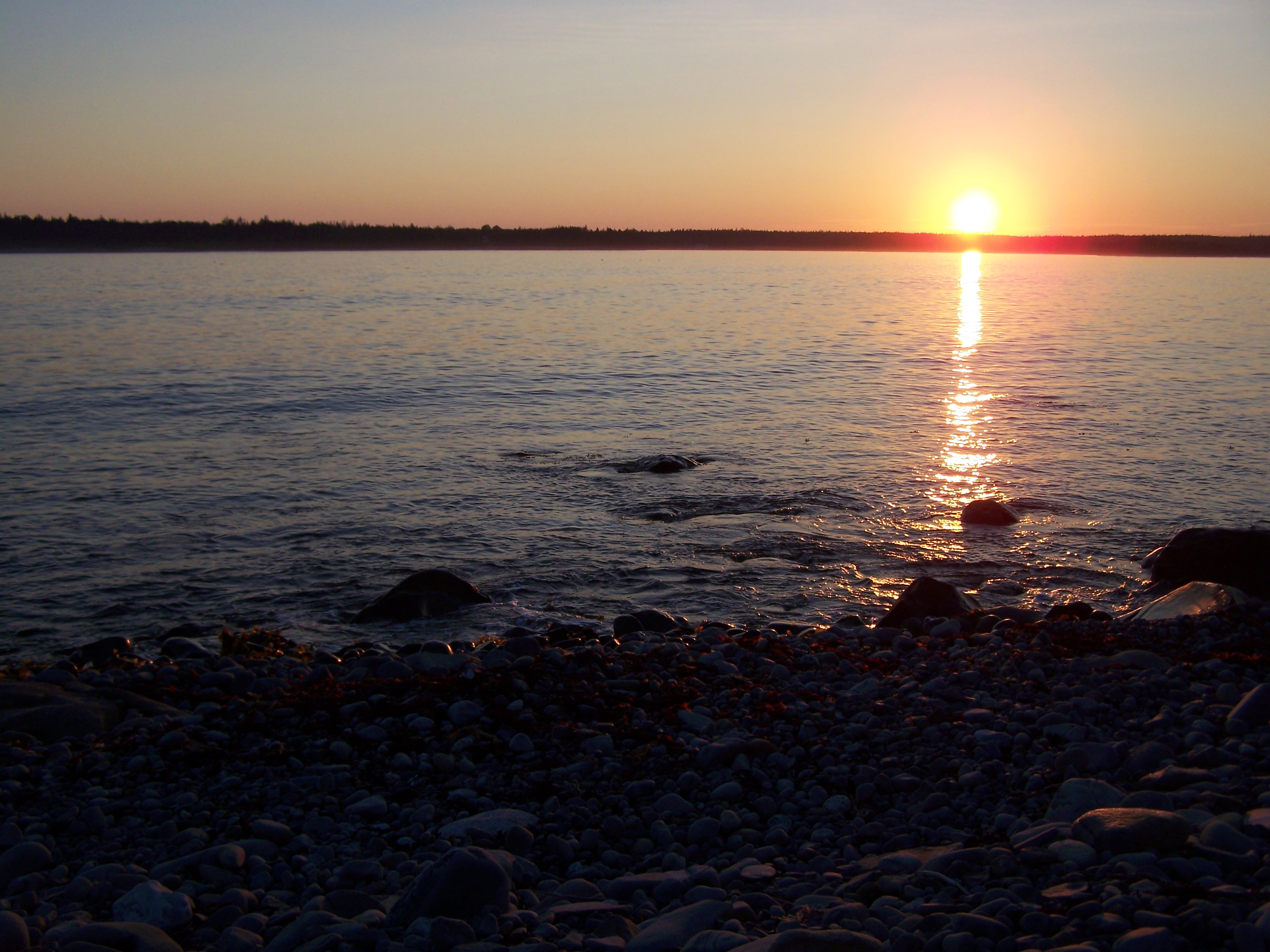
Of course, God means for us to be able to move past all of the unknowns in our lives–the sufferings, the pains, the mysteries–or maybe I should say through all of them–to Him by pure love. Yet, at the same time, He gives us beauty–found in art, poetry, music, our children, nature, wherever–as a wonderful means of drawing to His borders. And sometimes we have to decide to make time for those things as well as all the other things in our lives.
Here are some 4-5 minute opportunities (although I’m well aware that “beauty is in the eye of the beholder”). May at least one of them draw you to the borders of God.
For starters:
Open Thou Mine Eyes
Sicut cervus desiderat
This poem and this face
More to come . . .

 Witnesses to Hope