Instead of a Sunday poem, I offer you this piece of writing by Sarah Clarkson whose prose reads like poetry.
Vicarage Notes: Chiaroscuro Music, Blackberries, and Holding Fast
What are the ways of light and how may we chase them?
Instead of a Sunday poem, I offer you this piece of writing by Sarah Clarkson whose prose reads like poetry.
What are the ways of light and how may we chase them?
Sally Read, a poet herself, shared this poem by Sarah Law about Thérèse in her dying, her complete abandonment to God, even to the love of her sisters who were, in fact, inhibiting her dying–and that becomes part of the cross that she embraces.
The Cross
Because she couldn’t breathe–
was wracked with breath’s lack,
too weak to raise herself,
Marie and Céline have lifted her
half-up from the bed, her
hurting arms spread and held
about their robed shoulders.
Tipped forward, she hangs
on the cross of herself,
as the night light flickers;
the last speck of sand has run
from the hourglass’s lung.
She is heavy as a world,
a dying sun. But Céline–
unready still–flings out her hand
to force the air to move again;
force the sickroom’s minutes back
into their fragile cycle,
and so they ease her down,
and she offers up their love.
I feel so blessed to have discovered this poet who has an entire book (!) of poems dedicated to Thérèse.
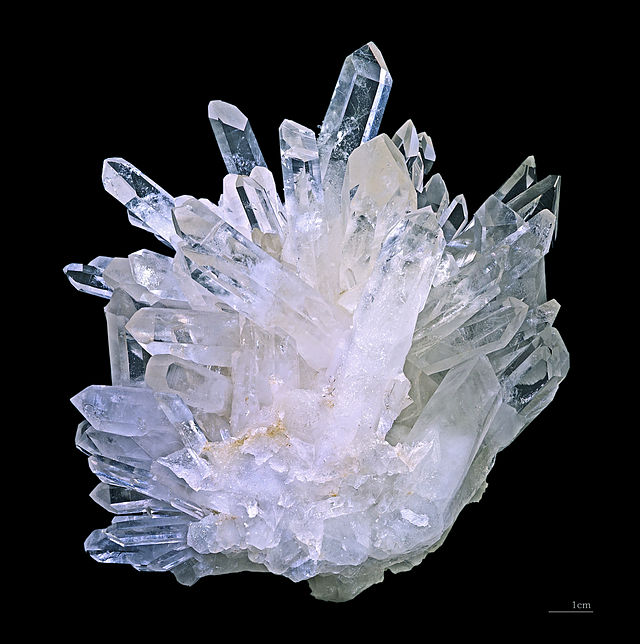
by Anne Porter
Rock crystal
Clearer than crystal
Stronger than rock
Snow crown of Sinai
Melting on the heights
Pouring through the valleys
In pure rushing water
And wine that sings of justice.
* * *
Chose from the chosen
Mystical rose
Your creature petals
Mirror that beauty
No one can see and live
You hide in your heart
Like dew simple and silent
That blazing majesty.
Small as you are, your fragrance
Fills all the world,
Fragrance of hope,
Fragrance of the gospels.
Come to the old woman
Whose lodging is the street
Come to the drugged boy
The landlord, the general
Come to the haunted hunter by his jungle river
Come to the banker, the prisoner, the torturer
The hungry, the shut-in, the runaway in danger
Come to the backward child.
Whether or not we know you
Come to the rich and poor
Come to us all.
* * *
Star of morning
There is still such darkness
Only by the light
Of your innocent fire
We know this is the morning.
But sweet in this dark morning
Is a freshness of new bread
And the newborn Word in his cradle
Is just beginning to stir.
Queen of Angels
You’re up early
Washing, baking, sweeping,
Young country girl
From a scorned province
Broken for the broken
Wife of a carpenter
Mother of a convict
Cause of our joy.
from An Altogether Different Language: Poems 1934-1994
Reposting a favorite this Sunday. May your day be blessed with the singing of many birds.
I have shared here before about this verse: “And blessed is he who takes no offense at me.” (Mt 11:6) It is one of my “life” verses, as some say. And, of course, it comes to mind today on this feast of his birth. Just as with Jesus, his death was never far from his thoughts, I am sure. I encourage you to read what I have written below about this verse, and may it be an encouragement to you to live the same. That is my prayer for you today.
I came across this in Plough Quarterly. Such a marvelous rendition of Hopkins’ wonderful poem: God’s Grandeur: A Poetry Comic
By Gerard Manley Hopkins and Julian Peters
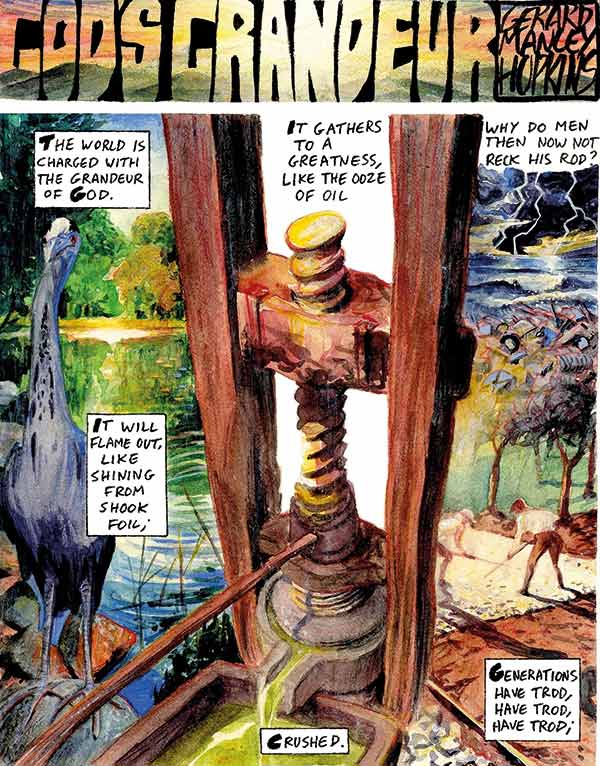
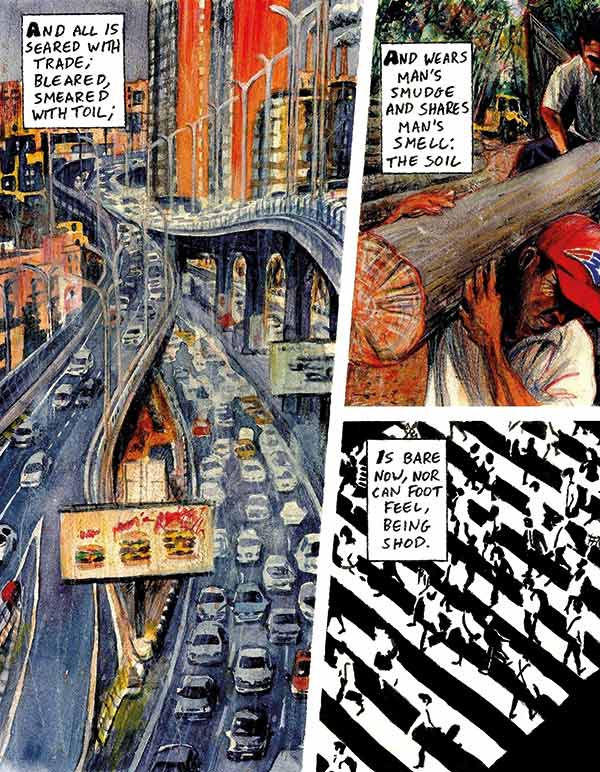
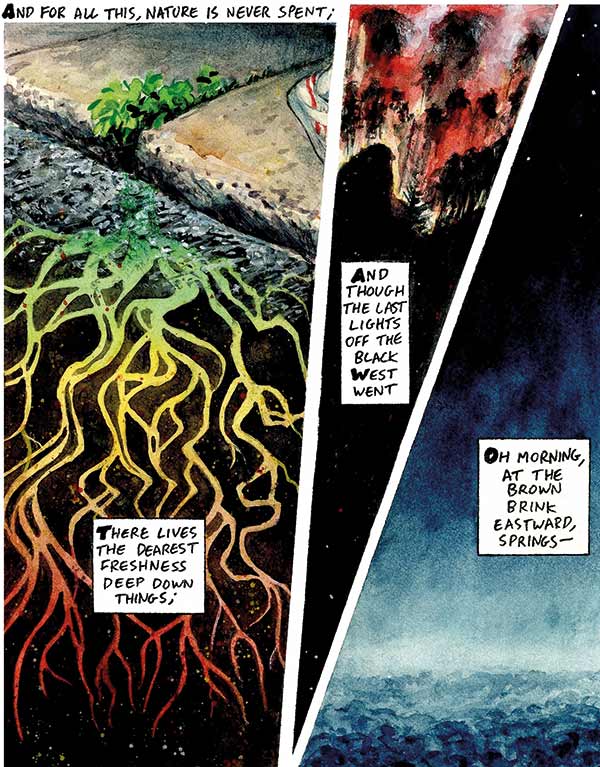
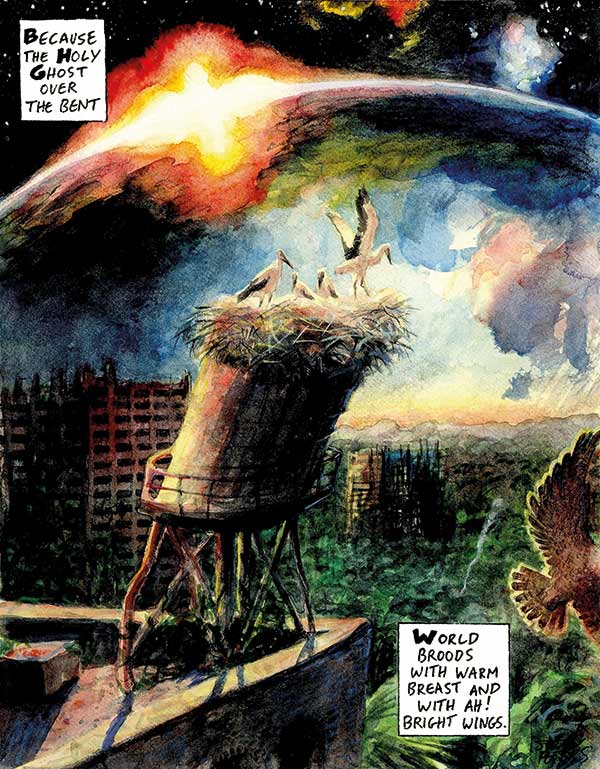
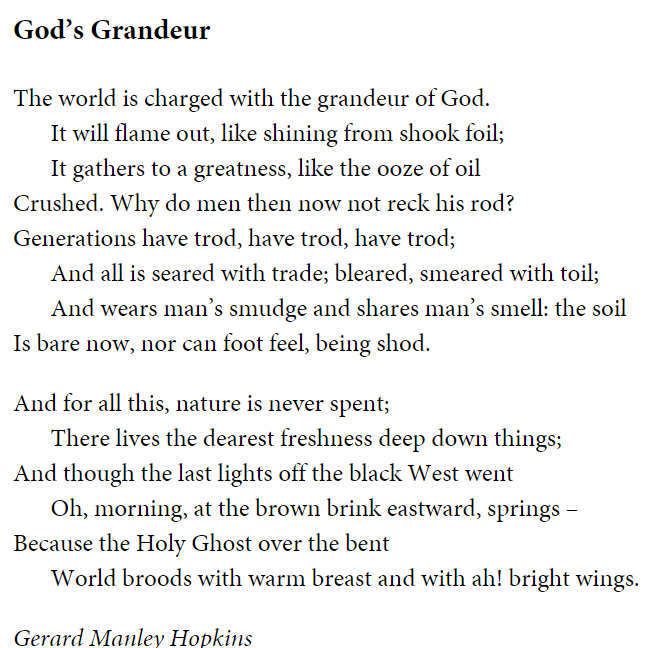
from Plough Quarterly
I have a friend, Strahan Coleman. I know him mostly as an author because we met after I discovered his writing on IG, excerpts from his Prayer Volumes. Here’s an excerpt from Volume 3:
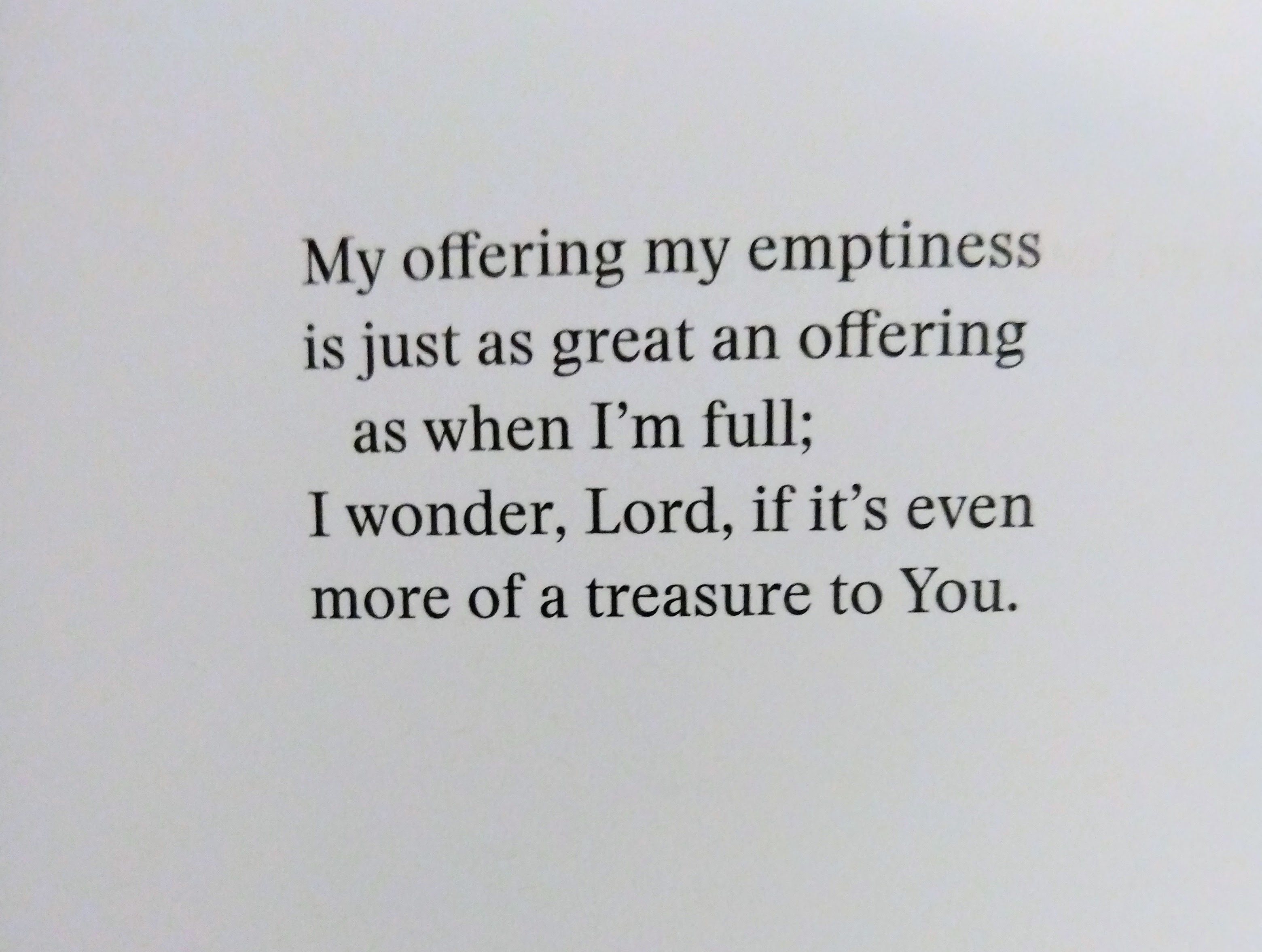
But what I wanted to share here is from his music, which just now, I am starting to listen to. So profound.
Stay
There is a whisper,
A quiet invitation,
Beckoning me to come,
A hand of kindness,
A good and trusting one,
A hand that will never fail.
My bags are packed but I’m glued to the phone,
Cause I’ve got nowhere else to go,
So I stay.
I have a mind that will wait for war to take it’s toll,
Before it will still itself,
But I’ve seen the face of love,
A chest that warms and welcomes,
A table that never fails.
Oh I’ve been running’ I’ve been fading to grey,
But I hear you calling my name,
Your voice is singing out like fire in the rain,
So I stay.
Oh you’re not finished yet,
This can’t be where it ends,
Come kick this barrenness out into the grave,
You promised better yet,
So I’m lookin’ at you my friend and I stay.
Check out Commoner’s Communion.
I’m currently reading a book for pre-publication in order that I can write an endorsement. I am absolutely loving this book and can’t wait to recommend it to all of you. I am actually on my second read through, I love it that much. In this morning’s reading, I was struck by a quote the author cites from St. Augustine’s Confessions. It is this: “Saint Augustine said, ‘He who loses himself in his passion is less lost that he who loses his passion.'”
So Saint Augustine seems to be saying that an alcoholic is in a more advantageous place spiritually than a strong Catholic who struggles to suppress every desire and passion. How can this be? Because the heart of our relationship with God is desire, not keeping the law. God thirsts for us, and he has placed an unquenchable thirst for him in each of us, a thirst that is meant to drive us to him. if we lose our passion, therefore, we are in trouble. This thirst is meant to act as a homing device, an internal GPS, that will not be satisfied unless it finds its destination. We may go down side streets and dead ends, but this thirst is meant to eventually bring us to the only One who can and will satisfy us. So someone whose passion is misdirected at least still has passion that has some capacity to be drawn to God, just like a car that is moving will much more likely reach its destination than a car sitting in a parking lot.
This puts a whole new perspective on the work that my Sisters are doing on the east side of Flint. Better to be addicted to something than to have no feeling whatsoever. Addiction is a starting place, a passion to be redirected, to be uncovered and named, a misdirected longing that can only be filled by God. The good news is that, according to Augustine, a person struggling with his addiction is closer to finding God than someone who has suppressed all desire. Each struggling addict on the east side is a potential passionate lover of God.
And the good news is also that any of us who struggle with seemingly less serious addictions can also have hope because God wants to do the same for us as we turn to him and return our passion (for whatever) to him. He will meet us right there in that very misguided longing, redirecting and purifying it until he alone satisfies us.
In our addictions, at least he has a starting place. “He who loses himself in his passion is less lost that he who loses his passion.”
A Sunday poem by Franki.
Before I close my eyes
I exhale
As if having
held my breath
since waking.
A whisper
reminds me of a
humble man,
whose sandals
I’m not
worthy to untie.
Whose beauty
I’m not
worthy to behold,
whose beard
I’m not
worthy to kiss,
whose hands
I’m not
worthy to hold,
His hands
I’m still
trying to hold.
Before I close my eyes
I breathe in,
as if having
received life
from the one
who made me.
Who invites me to
break bread
at his table,
where stones
lay lost
around us.
Before I close m eyes
he looks
into mine
(inhales)
and
calls me
beloved
(exhales).
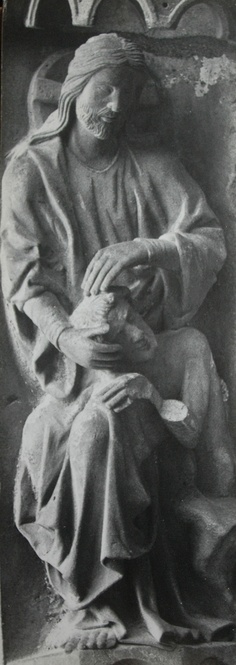
I have always been drawn to this sculpture but did not discover its origin until today. And that happened by reading an entry in Raissa’s Journal in which she describes a sculpture from Chartres. When I searched for the sculpture, I found it to be this very one which I myself have meditated on for years. It is of Christ and the creation of Adam. I have found such tenderness in it all these years. Raissa’s comments:
“Looking at the photograph of a sculpture in Chartres Cathedral, God moulding Adam, drawn to recollection by the thought that our very loving Father continues to mould us like that right up to the day when our perfection is achieved in Heaven.
“Ah! to stay like that under his gentle hand, one’s head abandoned on his maternal lap and let him do as he will with one, always.”
(Saturday, 14th April)
Her comments will make my meditation on this so much richer for years to come.
 Witnesses to Hope