I’m rereading Ann Voskamp’s 1000 Gifts. If you haven’t, you should. And I’d love to know what any of you are thankful for today!
If I look up
“As for me, as long as I look at myself, my eye is filled with bitterness (Job 17.2). But if I look up and fix my eyes on the aid of divine mercy, this happy vision of God soon tempers the bitter vision of myself.” (St. Bernard)
You cannot drown
From Contemplative Provocations, Fr. Donald Haggerty:
“In some lives, loving God may entail over time a shipwrecked manner of loving–cold and tired and holding on, clinging to broken wood, swept along currents they cannot master, yet knowing always that they cannot drown.”
Raging Sea
Raging Sea
Michael W. Smith
Sometimes the journey makes you weary
Feels like a long and winding road
Sometimes this life can lose its meaning
But you might be surprised to find some hope
Maybe you’re wondering where love is
You may feel it’s far away from here
Maybe you’re wondering where I am
You might be surprised to find I’m near
Chorus:
And when your life is tossed and turning
And you’re on the raging sea
I’ll come and pull you from the water
Then you will know that you are free
So if you’re stumbling through the valley
Or if you’re tempted to give up the fight
Reach out your hand and I will lead you
I will be your strong arm in the night
Repeat chorus
Tip-toe Wings
“Some things are better left undisturbed . . . “

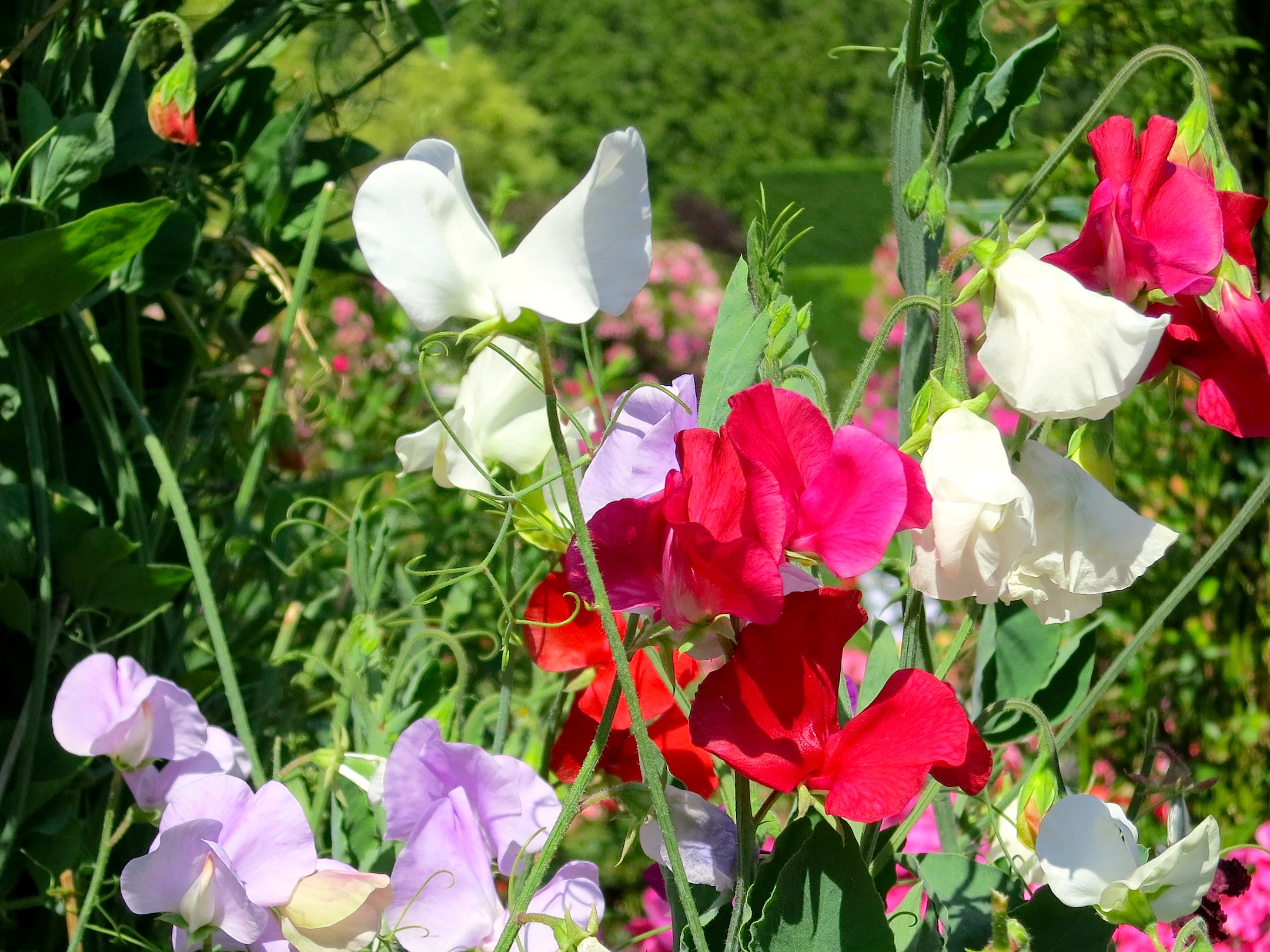 Here are sweet-peas, on tip-toe for a flight:
With wings of gentle flush o’er delicate white,
And taper fingers catching at all things,
To bind them all about with tiny rings.
~John Keats
I grew up watching sweet peas climb a trellis in our family garden. Their delicate tendrils did wrap clinging fingers around anything they could reach and grasp. The blossoms were too ephemeral to bring indoors for a vase on the table — the petals would droop and then drop within a day or so. They were meant to be appreciated right where they grew, so I would visit them regularly, breathe deeply with my nose in their midst to capture and keep their lovely scent with me as I went on about my day, leaving them waving their vines in my wake.
Some things are better left undisturbed, to flourish right where they have taken hold. In…
View original post 76 more words
This close
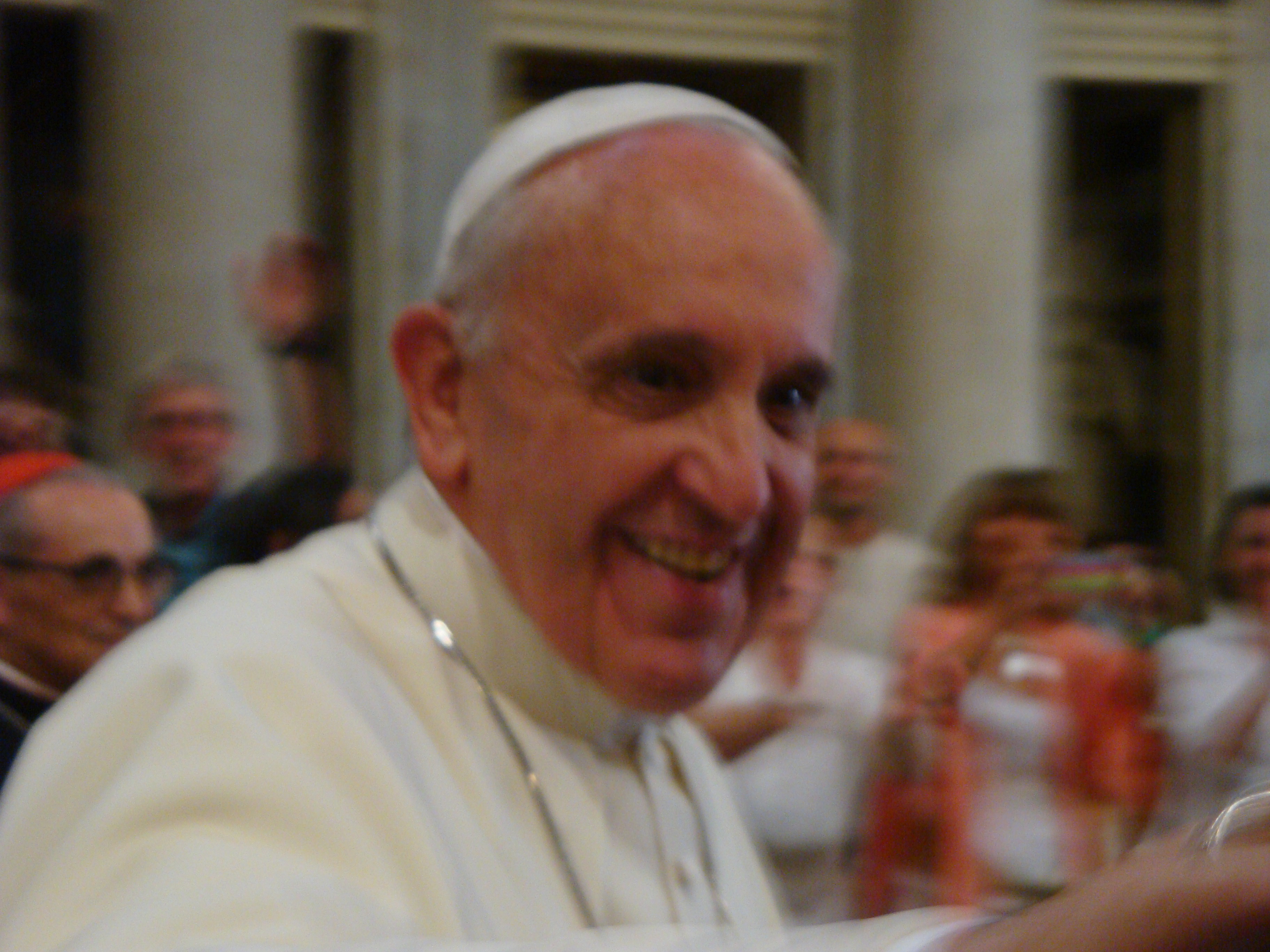
I know you all want to know if we got to see Pope Francis while we were in Rome. Well, we got this close. We just happened to be in St. Mary Major when he showed up to pray there before he left for World Youth Day. The visit was unannounced, so we were among the blessed who were in the right place at the right time. This photo was taken by a young woman who was standing beside us (taken without zoom). The Pope came over to bless the baby of a woman standing between us. (Yes, we invited her to stand there–knowing how much Papa loves the bambinos!) In the picture he is blessing the baby and smiling at the mom. God is full of wonderful surprises for all of us.
Repost: Who was transfigured?
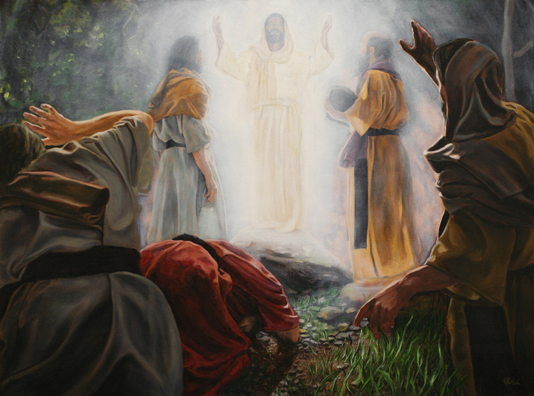
When one thinks of the Transfiguration one usually thinks of Christ being transfigured–almost like Christ turning on a light bulb. But there is a valid line of thinking in the Eastern Church that goes like this: “In a certain way it was really the apostles who were transfigured; it was they who became able to see.” It wasn’t so much Christ whose glory changed; the apostles were just allowed to see Him as He truly is. Christ opened their eyes so that they could see Him in all His glory.
And that’s the point of the Christian life, to have our eyes opened to the Mystery of God. To constantly surrender ourselves to His grace, that the eyes of our hearts may be transfigured and more and more able to perceive the beauty and glory of our God.
Nothing is wasted

Hardships

1000th post
This is this blog’s 1000th post.
May God increase your hope until you can have great faith in the unseen and invisible truths of our faith, the inscrutable and unfailing love of God for you.

