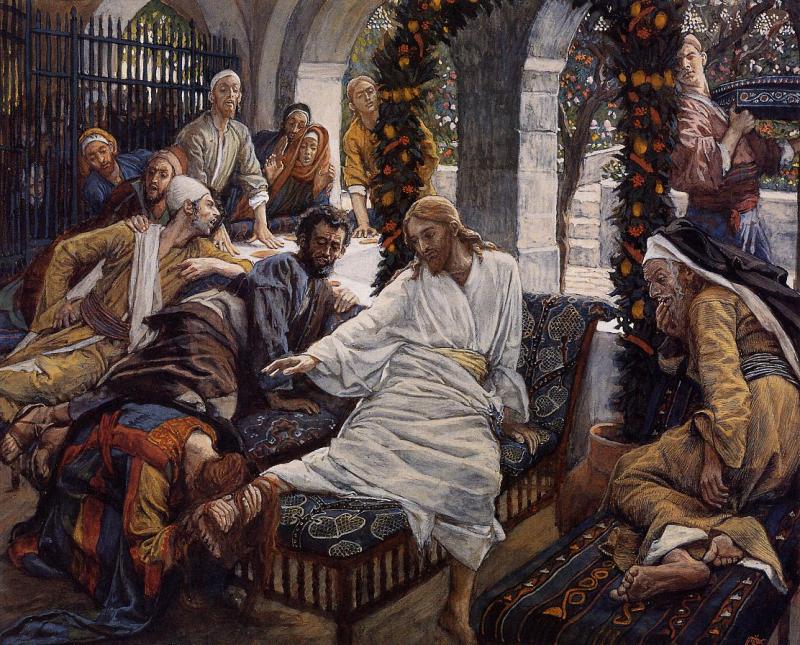
As some of you know, I have a little book of art pictures and quotes that I periodically use for meditation. I have been pondering the picture below of the sinful woman anointing Jesus’ feet (James Tissot). And below it is a beautiful quote from John Chrysostom describing the love of God for us, each of whom is indeed the sinful woman.
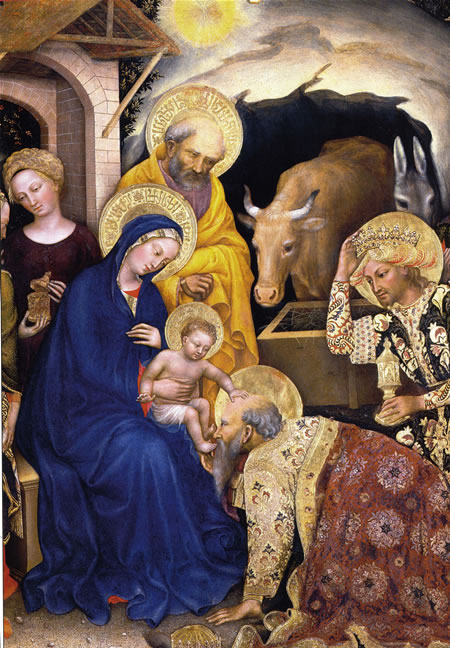
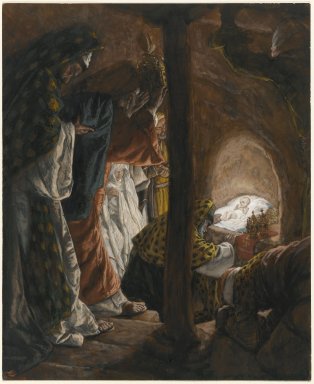
 “God desired a harlot, and how does He act? He does not send to her any of His servants. He does not send any angels or archangels, cherubim or seraphim. No, He Himself draws near to the one He loves, and He does not take her to Heaven, for He could not bring a harlot to Heaven, and therefore He Himself comes down to earth, to the harlot, and is not ashamed. He comes to her secret dwelling place and beholds her in her drunkenness. And how does He come? Not in the bare essence of His original nature, but in the guise of one whom the harlot is seeking, in order that she might not be afraid when she sees Him, and will not run away, and escape Him. He comes to the harlot as a man. And how does He become this? He is conceived in the womb, He grows little by little, as we do, and has intercourse with human nature. And He finds this harlot thick with sores and oppressed by devils. How does He act? He draws nigh to her. She sees Him and flees away. He calls the wise man, saying, ‘Why are you afraid? I am not a judge, but a physician. I come not to judge the world, but to save the world.’ Straightway He calls the wise men, for are not the wise man the immediate first fruits of His coming? They come and worship Him, and then the harlot herself comes and is transformed into a maiden. The Canaanite woman comes and partakes of His love. And how does He act? He takes the sinner and espouses her to Himself, and gives her the signet ring of the Holy Spirit as a seal between them.” (John Chrysostom)
What wondrous love is this!


 Witnesses to Hope