The yearning such a fragrance brings

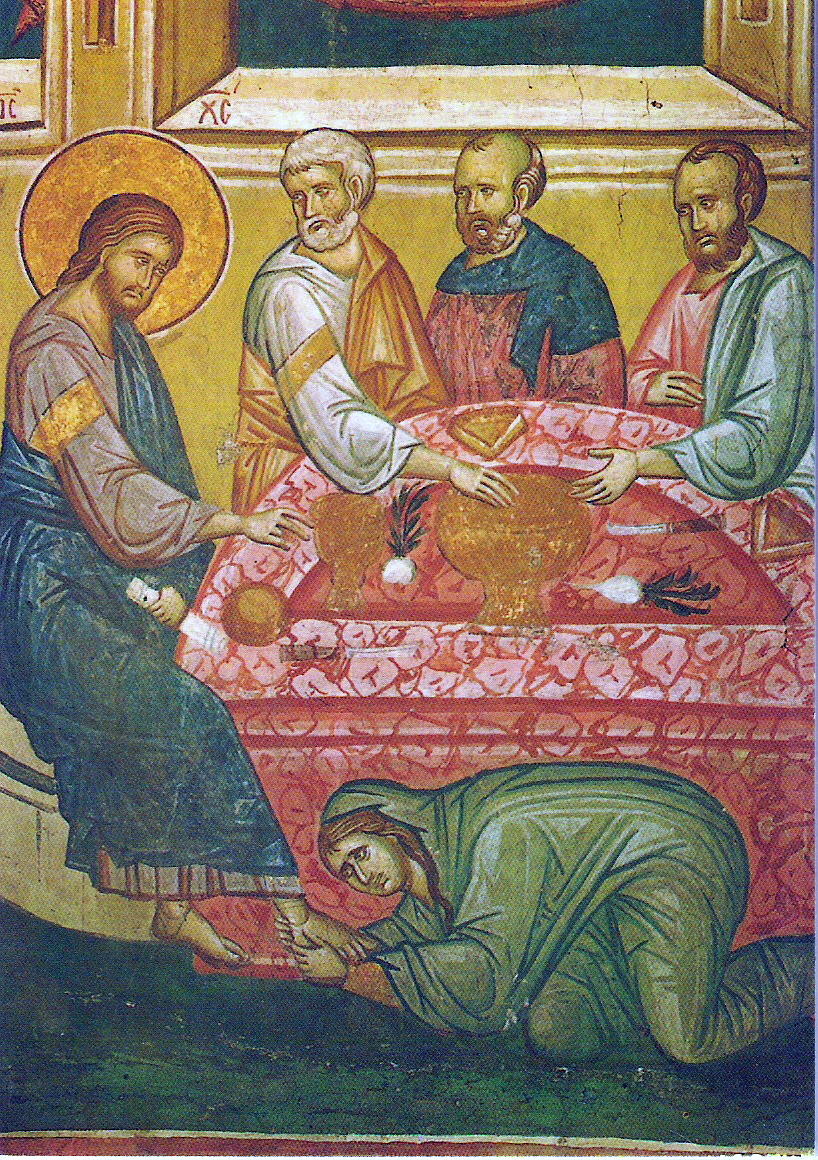
This passage has always held great significance for me, especially because of Christ’s invitation to me to live a consecrated life for him. But we, each in his or her own way, are invited by him to pour out what is most precious to us upon his feet, to enter into that intimacy with him, and this week is a most important time for us to do just that.

The Anointing at Bethany

Come close with Mary, Martha ,  Lazarus
So close the candles stir with their soft breath
And kindle heart and soul to flame within us
Lit by these mysteries of life and death.
For beauty now begins the final movement
In quietness and  intimate encounter
The alabaster jar of precious ointment
Is broken open for the world’s true lover,

The whole room richly fills to feast the senses
With all the  yearning such a fragrance brings,
The heart is mourning but the spirit dances,
Here at the very centre of all things,
Here at the meeting place of love and loss
We all foresee, and see beyond the cross.

Malcolm Guite

The cross we bear from others

Sally Read, a poet herself, shared this poem by Sarah Law about Thérèse in her dying, her complete abandonment to God, even to the love of her sisters who were, in fact, inhibiting her dying–and that becomes part of the cross that she embraces.

The Cross

Because she couldn’t breathe–
was wracked with breath’s lack,
too weak to raise herself,

Marie and Céline have lifted her 
half-up from the bed, her
hurting arms spread and held

about their robed shoulders.
Tipped forward, she hangs
on the cross of herself,

as the night light flickers;
the last speck of sand has run
from the hourglass’s lung.

She is heavy as a world,
a dying sun. But Céline–
unready still–flings out her hand

to force the air to move again;
force the sickroom’s minutes back
into their fragile cycle,

and so they ease her down,
and she offers up their love. 

I feel so blessed to have discovered this poet who has an entire book (!) of poems dedicated to Thérèse.

Cause of Our Joy

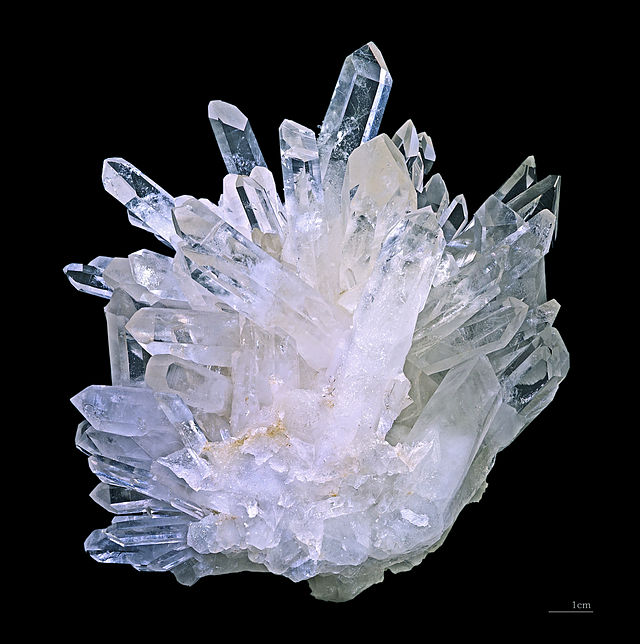
Quartz_oisan

Cause of Our Joy

by Anne Porter

Rock crystal
Clearer than crystal
Stronger than rock

Snow crown of Sinai
Melting on the heights
Pouring through the valleys
In pure rushing water
And wine that sings of justice.

* * *

Chose from the chosen
Mystical rose
Your creature petals
Mirror that beauty
No one can see and live
You hide in your heart
Like dew simple and silent
That blazing majesty.

Small as you are, your fragrance
Fills all the world,
Fragrance of hope,
Fragrance of the gospels.

Come to the old woman
Whose lodging is the street
Come to the drugged boy
The landlord, the general
Come to the haunted hunter by his jungle river
Come to the banker, the prisoner, the torturer
The hungry, the shut-in, the runaway in danger
Come to the backward child.

Whether or not we know you
Come to the rich and poor
Come to us all.

* * *

Star of morning
There is still such darkness
Only by the light
Of your innocent fire
We know this is the morning.

But sweet in this dark morning
Is a freshness of new bread
And the newborn Word in his cradle
Is just beginning to stir.

Queen of Angels
You’re up early
Washing, baking, sweeping,
Young country girl
From a scorned province

Broken for the broken

Wife of a carpenter
Mother of a convict
Cause of our joy.

from An Altogether Different Language: Poems 1934-1994

Kisses

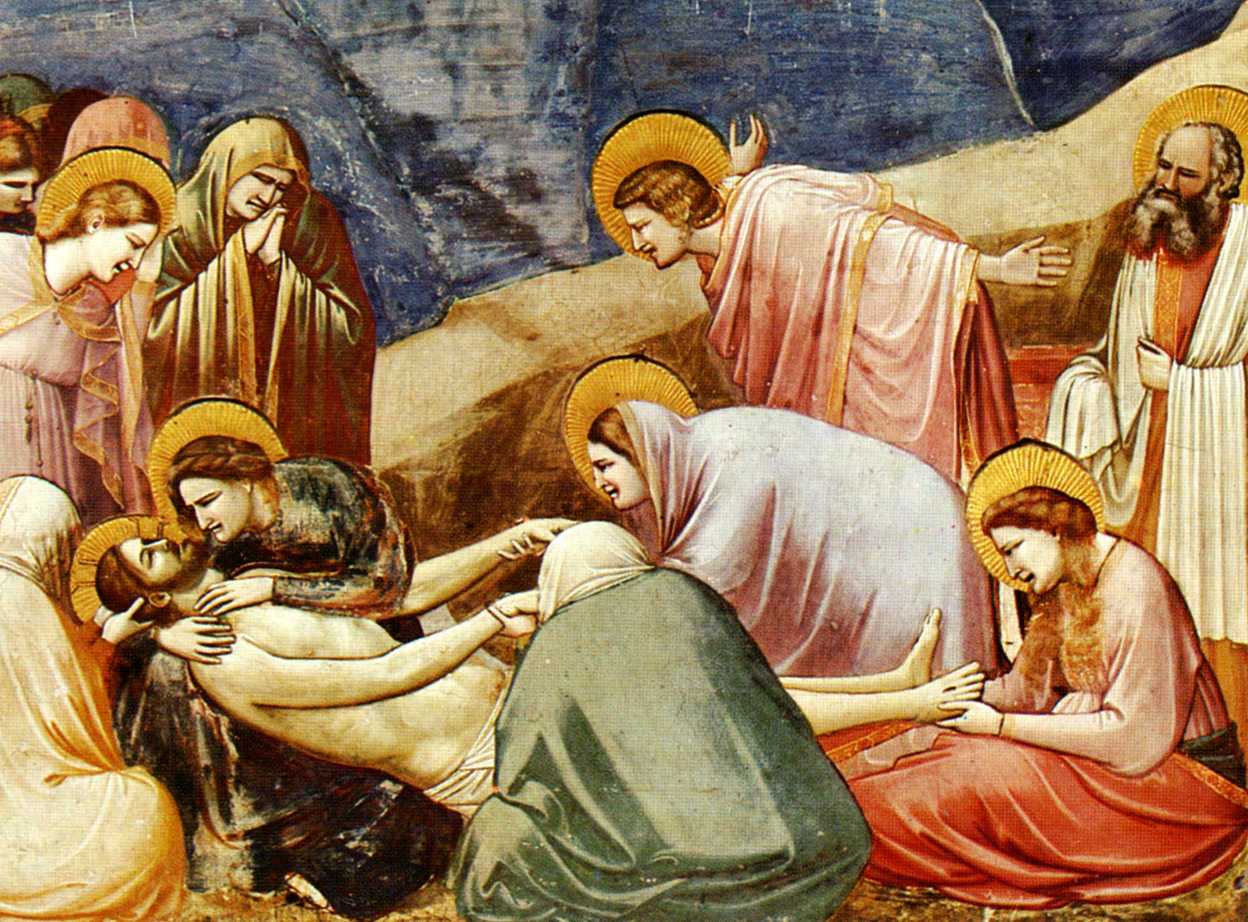
I want to share one more thing this Good Friday from almost twenty years ago when I was meditating on this painting by Giotto.

As I prayed with this image, I placed myself at the feet of Jesus, my heart so deeply desiring to venerate his most sacred feet, even in his death, but feeling so extremely unworthy. This is the prayer that I then prayed:

“I will kiss your feet while your Mother kisses your Holy Face–and You will be so wholly taken by her kisses that you will mistake mine for hers and be so perfectly comforted in your Passion that you will not notice those of your betrayers . . . Jesus, I offer you her sweet kisses. Be taken by them. In the company of the myriad of those who kiss your hands, your handmaids who have gone before me, those you have lifted up by your favor. We will cover you with kisses . . . Who am I that I even dare to touch your sacred feet with my sullied lips? Yet I give you my poor little kisses; your sacred flesh will purify them as does a hot burning coal (cf. I 6:6-7)”

Addendum:
In the years since then, the Lord has shown me clearly how much he values my kisses. And, to be sure, yours as well. 

“Oh my God, I am really unhappy!”

It’s been a bit of a rough week for me. This week is bookended by the anniversaries of two of my brothers’ passings, one who died just a year ago and the other many years ago from suicide. Also, another brother (closest to me in age) is currently homeless.

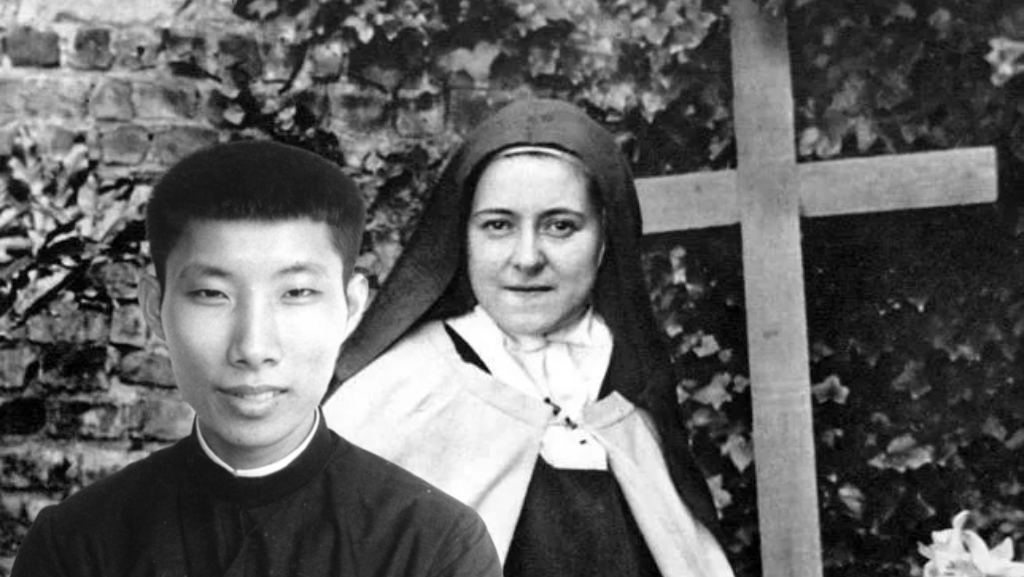
Not too long ago, after having read so much about him at Benjamin Embley’s blog, Contemplative in the Mud, I read Marcel Văn’s Autobiography. Văn had an incredible relationship with St. Thérèse who appeared to him and spoke with him often. I’ve been going back again and again to something she first said to him:

“If on the other hand, you are invaded by sadness, say to him again with an open heart: ‘O my God, I am really unhappy!’ And ask him to help you to accept this sadness with patience. Really believe this: nothing gives as much pleasure to the good God than to see on this earth a heart which loves him, who is sincere with him with each step, with each smile, as well with tears as with little momentary pleasures.”

“So when you speak to the good God, do so quite naturally as if you were talking to those around you.  You can speak to him of anything you wish: of your game of marbles . . . God takes pleasure in listening to you; in fact, he thirsts to hear these little stories which people are too sparing with him.” 

This has been the form of my prayer this week, a little child bringing all to her Father because that is the kind of Father that he is.

Photo from Contemplative in the Mud

And, if I may, could you say a prayer for all of my brothers? Thank you.

She burns the light of hope

{This is a repost . . .]

mary-pierced-heartHave you ever wondered why Saturday is traditionally observed as the day of Our Lady? A few years ago I was reading a book by John Saward (The Beauty of Holiness, the Holiness of Beauty), and, in a section about our Lady, he described Mary’s unfailing faith through the long, terrible day after Christ’s death when she alone kept faith in her Son.   I had never before heard of this mariological foundation for Saturday being traditionally her day:

The yes [her continued yes to the Lord that began with her Annunciation yes] of Our Lady does not end on Good Friday and [Christ’s] yielding of the spirit . . . . The faith and love of Our Lady last into Holy Saturday.  The dead body of the Son of God lies in the tomb, while His soul descends into Sheol, the Limbo of the Fathers.  Jesus goes down into the hideous kingdom of death to proclaim the power of the Cross and the coming victory of the Resurrection and to open Heaven’s gates to Adam and Eve and all the souls of the just.  The Apostles, hopeless and forlorn, know none of this.  “As yet,” St. John tells us, “they did not know the Scripture, that He must rise from the dead” (Jn 20.9).  In all Israel, is there no faith in Jesus?   On this silent Saturday, this terrible Shabbat, while the Jews’ true Messiah sleeps the sleep of death, who burns the lights of hope?  Is there no loyal remnant?  There is, and its name is Mary.  In the fortitude of faith, she keeps the Sabbath candles alight for her Son.  That is why Saturday, the sacred day of her physical brethren, is Our Lady’s weekly festival.  On the first Holy Saturday, in the person of Mary of  Nazareth, Israel now an unblemished bride, faces her hardest trial and, through the fortitude of the Holy Spirit, is triumphant.

I take great comfort in knowing that Mary always burns the light of hope for me (and you!) as well.

She burns the light of hope

{This is a repost . . .]

mary-pierced-heartHave you ever wondered why Saturday is traditionally observed as the day of Our Lady? A few years ago I was reading a book by John Saward (The Beauty of Holiness, the Holiness of Beauty), and, in a section about our Lady, he described Mary’s unfailing faith through the long, terrible day after Christ’s death when she alone kept faith in her Son.   I had never before heard of this mariological foundation for Saturday being traditionally her day:

The yes [her continued yes to the Lord that began with her Annunciation yes] of Our Lady does not end on Good Friday and [Christ’s] yielding of the spirit . . . . The faith and love of Our Lady last into Holy Saturday.  The dead body of the Son of God lies in the tomb, while His soul descends into Sheol, the Limbo of the Fathers.  Jesus goes down into the hideous kingdom of death to proclaim the power of the Cross and the coming victory of the Resurrection and to open Heaven’s gates to Adam and Eve and all the souls of the just.  The Apostles, hopeless and forlorn, know none of this.  “As yet,” St. John tells us, “they did not know the Scripture, that He must rise from the dead” (Jn 20.9).  In all Israel, is there no faith in Jesus?   On this silent Saturday, this terrible Shabbat, while the Jews’ true Messiah sleeps the sleep of death, who burns the lights of hope?  Is there no loyal remnant?  There is, and its name is Mary.  In the fortitude of faith, she keeps the Sabbath candles alight for her Son.  That is why Saturday, the sacred day of her physical brethren, is Our Lady’s weekly festival.  On the first Holy Saturday, in the person of Mary of  Nazareth, Israel now an unblemished bride, faces her hardest trial and, through the fortitude of the Holy Spirit, is triumphant.

I take great comfort in knowing that Mary always burns the light of hope for me (and you!) as well.

The one who still burns the light of hope

{This is a repost . . .]

mary-pierced-heartHave you ever wondered why Saturday is traditionally observed as the day of Our Lady? A few years ago I was reading a book by John Saward (The Beauty of Holiness, the Holiness of Beauty), and, in a section about our Lady, he described Mary’s unfailing faith through the long, terrible day after Christ’s death when she alone kept faith in her Son.   I had never before heard of this mariological foundation for Saturday being traditionally her day:

The yes [her continued yes to the Lord that began with her Annunciation yes] of Our Lady does not end on Good Friday and [Christ’s] yielding of the spirit . . . . The faith and love of Our Lady last into Holy Saturday.  The dead body of the Son of God lies in the tomb, while His soul descends into Sheol, the Limbo of the Fathers.  Jesus goes down into the hideous kingdom of death to proclaim the power of the Cross and the coming victory of the Resurrection and to open Heaven’s gates to Adam and Eve and all the souls of the just.  The Apostles, hopeless and forlorn, know none of this.  “As yet,” St. John tells us, “they did not know the Scripture, that He must rise from the dead” (Jn 20.9).  In all Israel, is there no faith in Jesus?  On this silent Saturday, this terrible Shabbat, while the Jews’ true Messiah sleeps the sleep of death, who burns the lights of hope?  Is there no loyal remnant?  There is, and its name is Mary.  In the fortitude of faith, she keeps the Sabbath candles alight for her Son.  That is why Saturday, the sacred day of her physical brethren, is Our Lady’s weekly festival.  On the first Holy Saturday, in the person of Mary of  Nazareth, Israel now an unblemished bride, faces her hardest trial and, through the fortitude of the Holy Spirit, is triumphant.

I take great comfort in knowing that Mary always burns the light of hope for me (and you!) as well.